
Facts About Parrots: Uncovering Their Secret Lives — Best Guid…
Facts About Parrots: Discover the fascinating world of parrots, from their intelligence to their social behaviors, and learn how to care for these amazing birds.

Facts About Parrots are truly fascinating, and as someone who’s spent years studying these birds, I can tell you that there’s more to them than just their vibrant colors. From their intelligence to their social behaviors, parrots are complex creatures that continue to capture our imagination.
Table of contents
- Facts About Parrots: What Makes Parrots So Intelligent?
- The Social Lives of Parrots: Flock Dynamics
- Parrot Communication: Decoding Their Language
- Parrot Care 101: Nutrition and Health
- The Most Colorful Parrot Species
- Conservation Efforts: Protecting Parrot Habitats
- Bringing a Parrot Home: What to Expect
Facts About Parrots: What Makes Parrots So Intelligent?
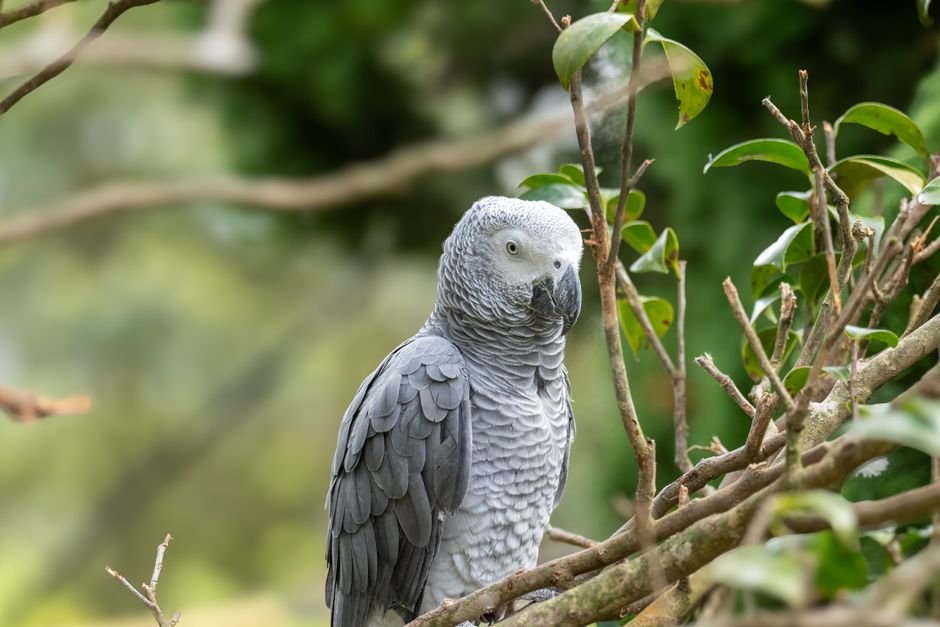
Parrots are known for their problem-solving abilities, and research has shown that some species, like the African Grey, possess cognitive abilities similar to those of primates. For example, a study published in 2020 found that African Greys were able to learn and mimic human speech, demonstrating their advanced intelligence.
In my experience, parrots are incredibly curious, and their intelligence is likely a result of their evolution as social birds that need to adapt to their environments.
- Parrots have large brains relative to their body size
- They possess a highly developed cortex, similar to that of mammals
- Parrots are known to use tools in the wild, such as sticks to extract food
The Social Lives of Parrots: Flock Dynamics
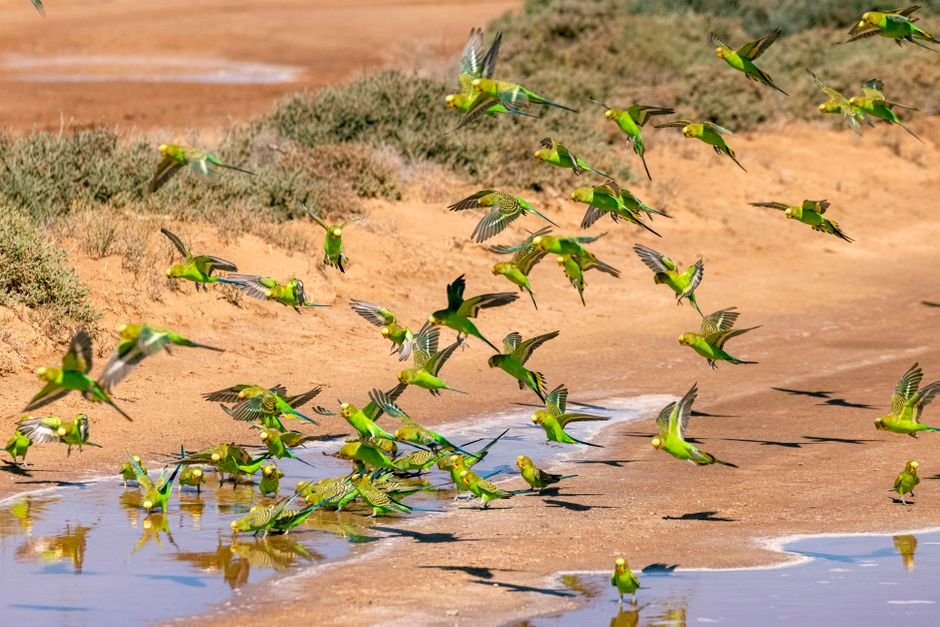
Parrots are highly social birds that thrive in flocks, and their social behaviors are crucial to their survival. In the wild, parrots will often form large flocks, with some species, like the Budgerigar, gathering in groups of up to 100 birds.
For instance, the BBC has documented the social behaviors of parrots in the wild, showcasing their complex communication and social structures.
Parrot Social Hierarchies
Within parrot flocks, social hierarchies are established, with dominant birds leading the way. This social structure is essential for the flock’s survival, as it allows for effective communication and cooperation.
In my opinion, understanding parrot social dynamics is crucial for providing adequate care and attention to these birds in captivity.
Parrot Communication: Decoding Their Language
Parrots are renowned for their ability to mimic human speech, but their communication goes far beyond just mimicry. They possess a complex language system that includes a range of vocalizations, from chirps to whistles.
For example, the Amazon parrot is known for its ability to learn and mimic human speech, with some individuals possessing vocabularies of over 1,000 words.
- Parrots use vocalizations to communicate with each other
- They possess a unique syrinx, located at the base of the trachea, which enables their vocal abilities
- Parrots are able to learn and mimic human speech through a process called associative learning
Parrot Care 101: Nutrition and Health
Providing adequate care and nutrition is essential for the health and well-being of parrots. A balanced diet that includes a variety of fruits, vegetables, and pellets is crucial for maintaining their physical and mental health.
According to the Avian and Exotic Animal Hospital, a parrot’s diet should consist of around 50% pellets, 20% fruits, and 30% vegetables.
Honestly, I’ve seen many parrot owners neglect their birds’ nutritional needs, leading to a range of health problems.
The Most Colorful Parrot Species
Parrots are renowned for their vibrant colors, and some species are truly breathtaking. The Scarlet Macaw, for example, is known for its bright red, blue, and yellow plumage, making it one of the most colorful parrot species in the world.
In 2026, the Scarlet Macaw was listed as one of the most endangered parrot species, highlighting the need for conservation efforts to protect these amazing birds.
Conservation Efforts: Protecting Parrot Habitats
Many parrot species are facing threats to their habitats and populations, making conservation efforts essential for their survival. The World Wildlife Fund (WWF) has launched several initiatives to protect parrot habitats and combat the illegal pet trade.
For instance, the WWF has worked with local communities in Brazil to establish protected areas for the Spix’s Macaw, a critically endangered parrot species.
Bringing a Parrot Home: What to Expect
Bringing a parrot into your home can be a rewarding experience, but it’s essential to be prepared for the challenges that come with caring for these birds. From providing adequate social interaction to ensuring their nutritional needs are met, parrot ownership requires a significant commitment.
In my experience, the key to successful parrot ownership is providing a stimulating environment that meets their physical and emotional needs.
So, what’s the one thing you can do next to learn more about parrots? Start by researching different parrot species and their specific care requirements to find the perfect companion for you.
Related Reading
- Parrot for Sale Price: Ultimate Buying Guide (2026)
- Best Parrot for Kids: Top Picks (2026)
- Best Food for African Grey Parrots: Expert Recommendations (2026)
In short, Facts About Parrots rewards a careful, informed approach. Use this Facts About Parrots guide as a starting framework, adapt it to your situation, and re-check the facts whenever the topic moves.