
How to take care of an African grey parrot: Care for African G…
Learn how to take care of an African grey parrot with our expert guide, covering diet, habitat, and socialization needs.

How to take care of an African grey parrot is a question many aspiring parrot owners ask. Honestly, I used to make the mistake of thinking it was all about the cage and toys. But, in reality, it’s so much more. African greys are renowned for their intelligence and ability to mimic human speech, making them a popular choice as pets. However, their care requires a deep understanding of their specific needs.
Table of contents
- How to take care of an African grey parrot: Understanding African Grey Parrot Needs
- Creating a Suitable Environment for Your African Grey
- Diet and Nutrition for African Greys
- Socialization and Training Tips
- Common Mistakes to Avoid in African Grey Parrot Care
- Health Checks and Veterinary Care
- Budgeting for African Grey Parrot Ownership
How to take care of an African grey parrot: Understanding African Grey Parrot Needs
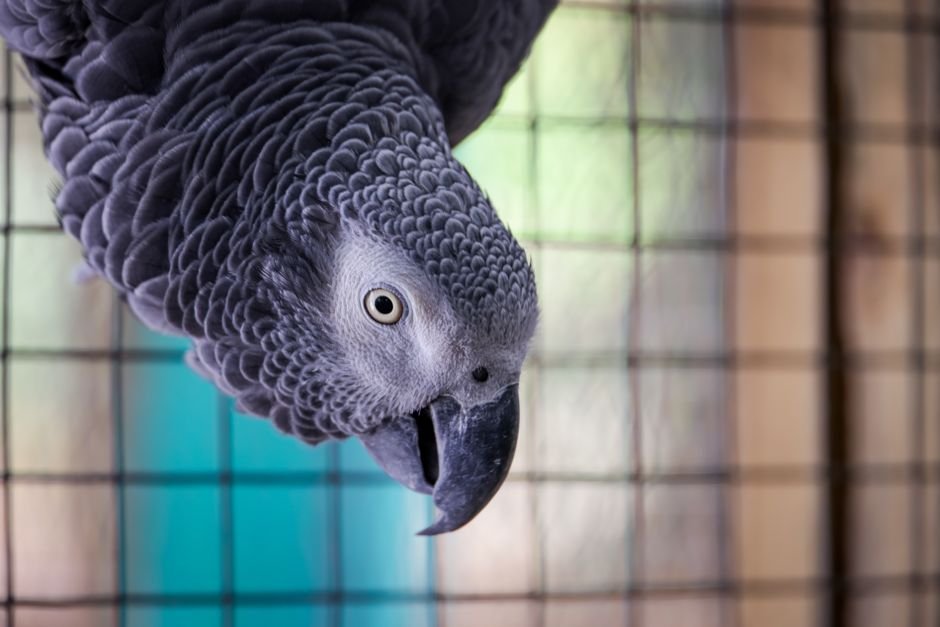
African grey parrots have complex social and spatial needs. They require a lot of attention and interaction. In my experience, a parrot that doesn’t receive enough social interaction can become stressed and develop behavioral problems. For instance, a parrot owner I know in Mumbai learned the hard way that leaving her African grey alone for extended periods without any stimulation led to the parrot becoming aggressive.
Understanding these needs is crucial for providing the right environment. This includes a spacious cage that allows for flight and exercise, as well as a variety of toys that challenge and entertain the parrot. For example, the African grey parrot needs toys like swings and ladders that encourage physical activity.
- Provide a large cage (minimum 2x3x4 feet) with horizontal bars for climbing.
- Rotate toys every week to keep the parrot engaged and interested.
- Ensure the parrot has at least 2 hours of social interaction outside the cage daily.
Creating a Suitable Environment for Your African Grey
Creating the right environment involves more than just the cage. It’s about setting up a space that’s safe, stimulating, and comfortable for your parrot. This includes ensuring the room is free from drafts, the temperature is stable (around 65-75°F), and there are no toxic substances within reach. Honestly, I’ve seen owners overlook the simplest of things, like keeping windows closed to prevent drafts.
A key aspect of the environment is the lighting. African greys need exposure to natural light to maintain their calcium levels and overall health. If natural light isn’t possible, full-spectrum lighting can be an alternative. For instance, using a product like the Arcadia Bird Lamp can provide the necessary UVB rays.
Setting Up Lighting
When setting up lighting, it’s crucial to mimic the natural day-night cycle as closely as possible. This means providing a period of darkness at night to allow the parrot to sleep properly. In my experience, a parrot that doesn’t get enough sleep can become irritable and prone to screaming.
Diet and Nutrition for African Greys
I’ll be straight with you — Diet plays a critical role in the health and well-being of African grey parrots. A balanced diet should include a variety of foods such as pellets, fruits, vegetables, and nuts. However, it’s essential to avoid giving them avocado, chocolate, or caffeine, as these can be toxic. For example, a diet rich in pellets like Harrison’s High Potency can provide the necessary nutrients, supplemented with fresh fruits and vegetables.
- Offer a high-quality pellet as the main staple (around 50% of the diet).
- Provide a variety of fruits and vegetables daily (around 30% of the diet).
- Limit treats like nuts and seeds to about 10% of the diet.
Socialization and Training Tips
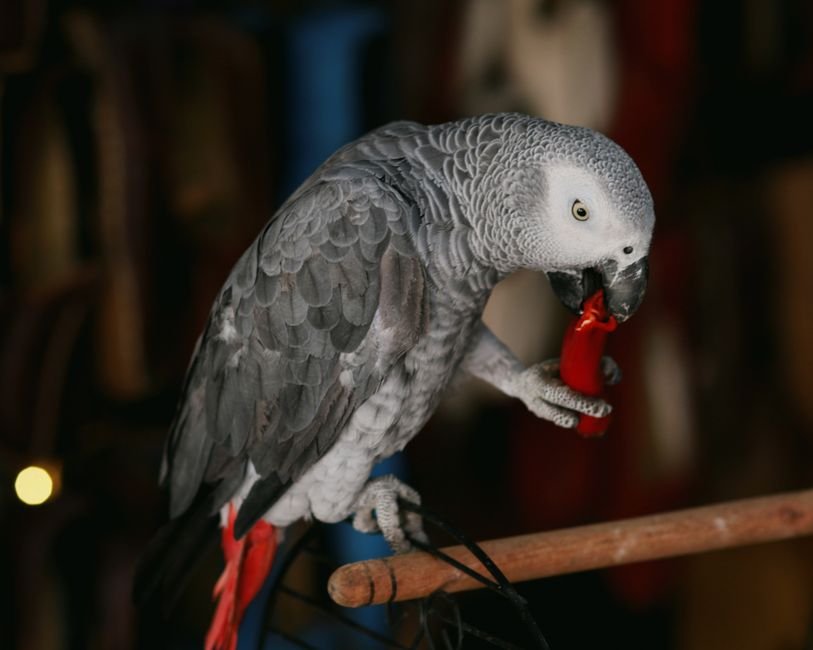
Here is the part nobody tells you: In my experience, Socialization is key to having a well-behaved African grey parrot. This involves spending time with the parrot, teaching it tricks, and ensuring it interacts with different people. In my experience, a parrot that’s well-socialized is less likely to develop behavioral problems. For instance, teaching tricks like ‘step up’ and ‘shake hands’ can be a great way to bond with your parrot.
Training should be positive and reward-based. Avoid punishing the parrot for mistakes, as this can lead to fear and aggression. Instead, focus on rewarding good behavior with treats and praise. For example, using a clicker and treats can be an effective way to train your parrot.
Common Mistakes to Avoid in African Grey Parrot Care
There are several common mistakes that new parrot owners make. These include not providing enough social interaction, keeping the parrot in a cage that’s too small, and not rotating toys regularly. Honestly, I’ve seen owners overlook the importance of social interaction, leading to behavioral issues.
Another mistake isn’t providing a balanced diet. Feeding a parrot a diet rich in seeds and nuts can lead to nutritional deficiencies. For example, a parrot that eats too many seeds can develop a condition known as ‘fatty liver disease’.
- Not providing enough social interaction.
- Keeping the parrot in a cage that’s too small.
- Not rotating toys regularly.
- Feeding an unbalanced diet.
- Not providing regular health checks.
Health Checks and Veterinary Care
Regular health checks are essential for maintaining the health of your African grey parrot. This includes annual check-ups with a veterinarian experienced in caring for birds. In my experience, a regular health check can help identify potential health issues early on, such as respiratory problems or feather plucking.
It’s also important to keep an eye out for signs of illness, such as changes in appetite, droppings, or behavior. For example, a parrot that’s lethargic or has labored breathing may be sick and needs immediate veterinary attention.
Budgeting for African Grey Parrot Ownership
Owning an African grey parrot can be expensive. The initial cost of purchasing the parrot can range from $1,000 to $5,000, depending on the age and quality of the bird. And there are ongoing costs such as food, toys, and veterinary care. In my experience, it’s essential to budget at least $500 per year for these expenses.
However, the rewards of owning an African grey parrot far outweigh the costs. With proper care and attention, these birds can live up to 50 years or more, providing a lifetime of companionship and entertainment. For example, a parrot owner I know in Bengaluru has had her African grey for over 20 years and considers it a beloved member of the family.
A small confession: learning how to take care of an African grey parrot requires dedication and attention to detail. By following these tips and avoiding common mistakes, you can provide your parrot with the care it needs to thrive. So, what’s the one thing you should do next? Start by researching a reputable breeder or rescue organization to find your new feathered friend.
Related Reading
- Conure Parrots Online — The Practical Guide for 2026 — Best Guide
- Buy Conure Parrots — Smart Buyer’s Guide for 2026
- Cockatoo Parrots Online — The Practical Guide for 2026 — Best …
In short, how to take care of an African grey parrot rewards a careful, informed approach. Use this how to take care of an African grey parrot guide as a starting framework, adapt it to your situation, and re-check the facts whenever the topic moves.