Types of Parrots: A Guide to Colorful Companions — Best Guide …
Discover the different types of parrots, from African Greys to Cockatiels, and learn how to care for these intelligent birds.

Types of Parrots are incredibly diverse, with over 350 species spread across the globe, each with unique characteristics, temperaments, and care requirements. Honestly, I used to think all parrots were similar, but after delving into their world, I found out how fascinatingly different they’re.
Table of contents
Understanding the Basics of Parrot Species
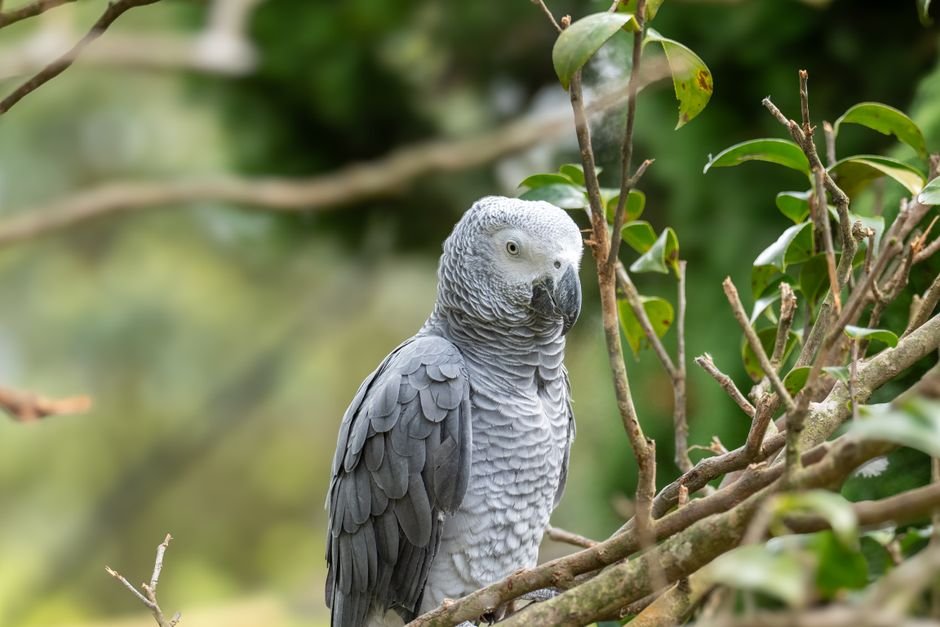
Before we look at the various types of parrots, it’s essential to understand the basic classification. Parrots belong to the order Psittaciformes and are divided into three superfamilies: Psittacoidea, Cacatuoidea, and Strigopoidea. This classification helps in understanding their evolution, behavior, and distribution.
In my experience, learning about these classifications isn’t just about taxonomy; it also helps in understanding the specific needs of different parrot species.
- African Greys are known for their intelligence and ability to mimic human speech.
- Amazon parrots are renowned for their vibrant colors and playful personalities.
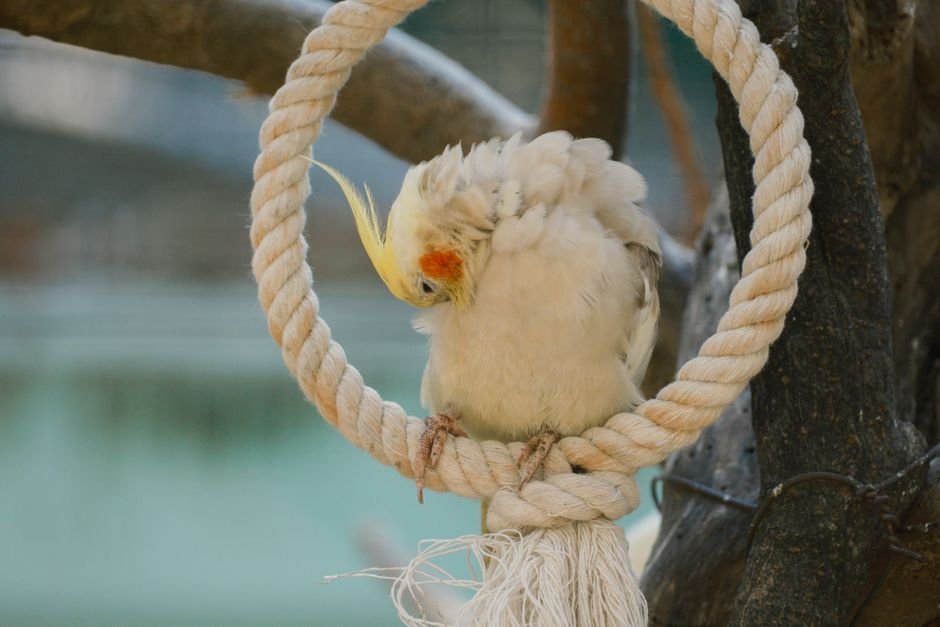
- Cockatiels are popular pets due to their gentle nature and ability to whistle.
Popular Types of Parrots as Pets
on keeping parrots as pets, some species are more popular than others due to their temperament, size, and ease of care. For instance, Budgies (also known as Parakeets) and Cockatiels are favorites among beginners because they’re relatively small, easy to care for, and quite affectionate.
A concrete example is the story of Alex, an African Grey parrot studied by animal psychologist Dr. Irene Pepperberg, who demonstrated the advanced cognitive abilities of these birds, showing they can learn to count up to six, understand concepts like zero, and even exhibit emotional intelligence.
Considerations for Keeping Parrots as Pets
It’s crucial to consider the long-term commitment involved in caring for a parrot. Many parrot species can live for 30 to 60 years or more in captivity, which means owning a parrot is a lifetime commitment. You’ll need to ensure you can provide the necessary space, social interaction, and dietary needs for your feathered companion.
Large Parrot Species: Characteristics and Care
Larger parrot species, such as Macaws and Cockatoos, are known for their striking colors and large size. They require a lot of space to fly around and exercise, as well as a balanced diet that includes a variety of fruits, vegetables, and pellets specifically formulated for large parrots.
For example, the Blue and Gold Macaw can grow up to 35 inches in length, requiring a spacious aviary or a large cage that allows them to stretch their wings and move around freely.
Small Parrot Species: Ideal for Beginners
Small parrot species, like Budgies and Lovebirds, are perfect for those new to parrot ownership. They’re relatively low-maintenance, easier to handle, and can thrive in smaller living spaces. However, they still require attention, social interaction, and proper care to stay happy and healthy.
In my experience, starting with a smaller parrot species can be incredibly rewarding and helps build the skills and confidence needed to care for larger, more demanding birds.
Parrot Behavior and Socialization
Parrots are highly social creatures that thrive on interaction. In the wild, they live in flocks, and this social behavior is crucial for their emotional and psychological well-being. As pets, parrots require regular socialization, which can include playtime outside of their cage, interaction with their owners, and even interaction with other parrots if possible.
For instance, African Greys are known to form strong bonds with their owners and can become depressed or develop behavioral problems if they don’t receive adequate social interaction.
Health and Nutrition for Parrots
Providing a balanced and nutritious diet is essential for the health and well-being of parrots. A good parrot diet should include a high-quality commercial pellet as the main staple, supplemented with a variety of fresh fruits and vegetables daily. Avoid giving them avocado, chocolate, or foods high in salt and sugar, as these can be harmful.
A visit to a veterinarian specializing in birds within the first few days of bringing your parrot home can help identify any health issues early on and provide valuable advice on diet and care.
Choosing the Right Type of Parrot for You
With so many types of parrots to choose from, selecting the right one can be daunting. Consider your lifestyle, the amount of time you’ve to dedicate to your parrot, the space you’ve available, and your ability to provide the necessary care and attention. Research different species to find one that fits your circumstances and preferences.
For example, if you live in an apartment, a quieter parrot species like a Cockatiel might be more suitable than a louder species like a Macaw.
To learn more about parrot species and their care, visit the African Parrots of the Continent website, which offers comprehensive information on various parrot species, their habitats, and conservation status.
Truth is, Now that you’ve explored the wonderful world of parrots, the next step is to decide which type of parrot is right for you. Consider volunteering at a local parrot rescue or visiting a parrot sanctuary to get hands-on experience with different species. This won’t only help you make an informed decision but also contribute to the welfare of these incredible birds.
Related Reading
- The “Golden Rule” of Cage Size: The Golden Rule of Cage Size —…
- The Ultimate Parrot Nutrition & Diet Guide (2026)
- Australian Parrots Voice: Unique Traits — Best Guide 2026
In short, Types of Parrots rewards a careful, informed approach. Use this Types of Parrots guide as a starting framework, adapt it to your situation, and re-check the facts whenever the topic moves.