
Buy a Bird: Ultimate Guide (2026)
Buy a bird that fits your lifestyle. Learn how to choose the perfect bird, from parrots to canaries, and get tips on care and maintenance.

If you’re thinking of buy a bird, you’re in the right place. As a working professional, you’ll want a pet that’s low-maintenance yet loving. Honestly, I used to think birds were too much work, but after doing my research, I found that many species are perfect for busy owners. In this guide, we’ll cover everything you need to know to buy a bird that fits your lifestyle.
Table of contents
Buy a bird: Choosing the Right Bird for You
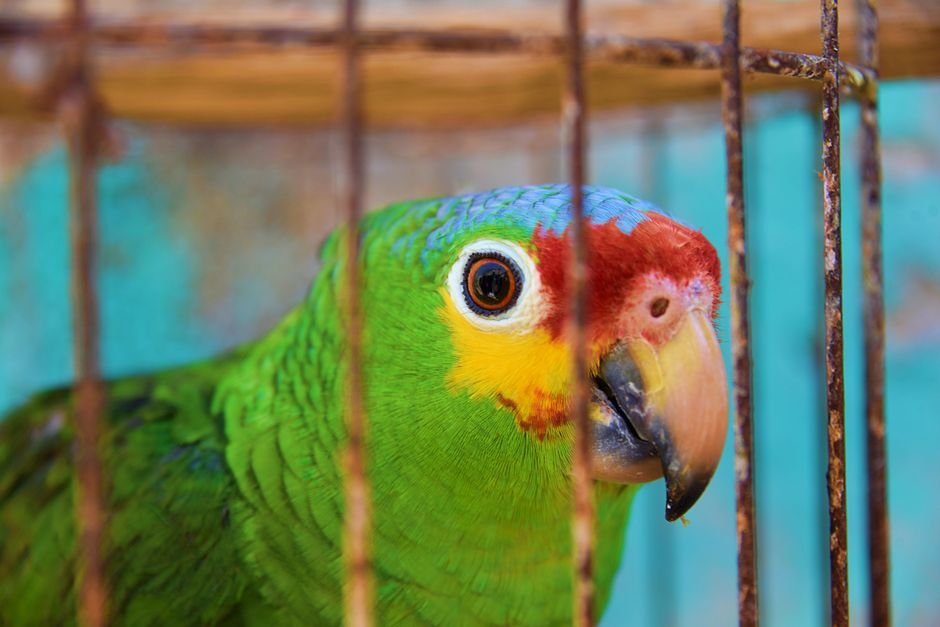
Here is the part nobody tells you: With so many species to choose from, it can be overwhelming to decide which bird is right for you. In my experience, it’s essential to consider your living situation, work schedule, and the amount of time you can dedicate to your bird’s care. For example, if you live in a small apartment, a canary or a finch might be a great choice. On the other hand, if you’ve a larger space, a parrot or a cockatoo could be a good fit.
Here are some popular bird species to consider:
- Parrots: known for their intelligence and ability to mimic human speech
- Canaries: recognized for their beautiful singing voices
- Finches: social birds that thrive in pairs or groups
Popular Bird Species to Consider
Let’s take a closer look at some popular bird species. If you’re looking for a low-maintenance bird, you might consider a budgie (around $20-50) or a cockatiel (around $50-100). If you’re willing to invest more time and money, you could opt for a African Grey parrot (around $1,000-3,000) or a Macaw (around $1,500-5,000).
In 2026, the pet bird market is expected to grow significantly, with more people looking for companionship and entertainment. According to a report by the American Pet Products Association, around 60% of bird owners consider their pets to be part of the family.
Bird Size and Noise Level
When choosing a bird, it’s crucial to consider the size and noise level. For example, a large parrot like a Macaw can be quite loud and requires a lot of space, while a small finch is relatively quiet and can thrive in a smaller cage. Honestly, I’ve learned that it’s essential to research the specific needs of each species before making a decision.
The Cost of Buying and Caring for a Bird
The cost of buying and caring for a bird can vary significantly depending on the species, size, and quality of the bird. Here are some estimated costs to consider:
- Initial purchase price: $20-5,000
- Cage and accessories: $50-500
- Food and toys: $20-100 per month
- Veterinary care: $50-200 per year
It’s also important to consider the cost of time and effort required to care for your bird. In my experience, it’s essential to set aside at least 30 minutes per day to interact with your bird, clean its cage, and provide fresh food and water.
Bird Care and Maintenance Essentials
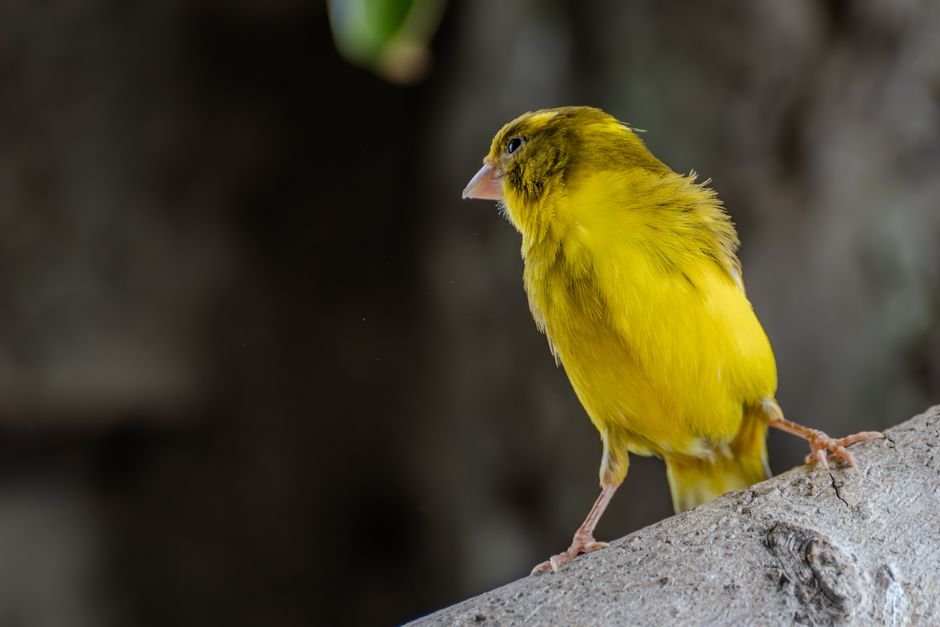
Once you’ve brought your new bird home, it’s essential to provide the right care and maintenance. This includes:
- A large enough cage with plenty of toys and perches
- A balanced diet that includes a variety of fruits, vegetables, and pellets
- Regular social interaction and exercise outside of the cage
- Regular veterinary check-ups to ensure your bird’s health and well-being
For more information on bird care and maintenance, you can visit the Avian Welfare Association website.
Common Mistakes to Avoid When Buying a Bird
When buying a bird, there are several common mistakes to avoid. These include:
- Not researching the specific needs of the species
- Not providing a large enough cage or sufficient social interaction
- Not budgeting for the ongoing costs of care and maintenance
In 2025, a study by the Journal of Avian Medicine found that around 40% of bird owners reported experiencing problems with their birds’ health due to inadequate care and maintenance.
Finding a Reputable Bird Breeder or Pet Store
When buying a bird, it’s essential to find a reputable breeder or pet store. Here are some tips to consider:
- Research the breeder or store online and read reviews from other customers
- Visit the breeder or store in person to see the conditions and meet the birds
- Ask plenty of questions about the bird’s health, temperament, and care requirements
For example, you could visit a local pet store like Petco or PetSmart, or search for a reputable breeder in your area.
What to Do Next: Bringing Your New Bird Home
Once you’ve chosen the right bird for you, it’s time to bring it home. Here are some final tips to consider:
- Prepare a safe and welcoming environment for your bird
- Provide plenty of food, water, and social interaction
- Be patient and give your bird time to adjust to its new surroundings
Remember, buying a bird is a big responsibility, but with the right care and attention, it can be a incredibly rewarding experience. So, what are you waiting for? Go ahead and buy a bird that fits your lifestyle, and get ready to enjoy the companionship and entertainment that comes with bird ownership.
Related Reading
- Macaw Parrot Sleeping Habits — Best Guide 2026
- Macaw Parrot Talking in English: What You Need to Know — Best …
- Pet Hyacinth Macaw: The Ultimate Companion (2026)
In short, buy a bird rewards a careful, informed approach. Use this buy a bird guide as a starting framework, adapt it to your situation, and re-check the facts whenever the topic moves.