
How often should I feed my parrot? — Best Guide 2026
How often should I feed my parrot? Learn the best feeding schedule for your parrot's health and happiness. Discover the secrets to a balanced diet.

How often should I feed my parrot? This is a question that has puzzled many parrot owners. As a responsible parrot owner, it’s essential to provide your feathered friend with a balanced diet that meets their nutritional needs. In this article, we’ll explore the best feeding schedule for your parrot’s health and happiness.
Table of contents
- How often should I feed my parrot?: Understanding Your Parrot's Dietary Needs
- How Often to Feed Your Parrot: A General Guide
- The Importance of Fresh Fruits and Vegetables
- Pellets vs. Seeds: Choosing the Right Food for Your Parrot
- Creating a Feeding Schedule for Your Parrot
- Common Mistakes to Avoid When Feeding Your Parrot
- Monitoring Your Parrot's Health and Adjusting Their Diet
How often should I feed my parrot?: Understanding Your Parrot’s Dietary Needs
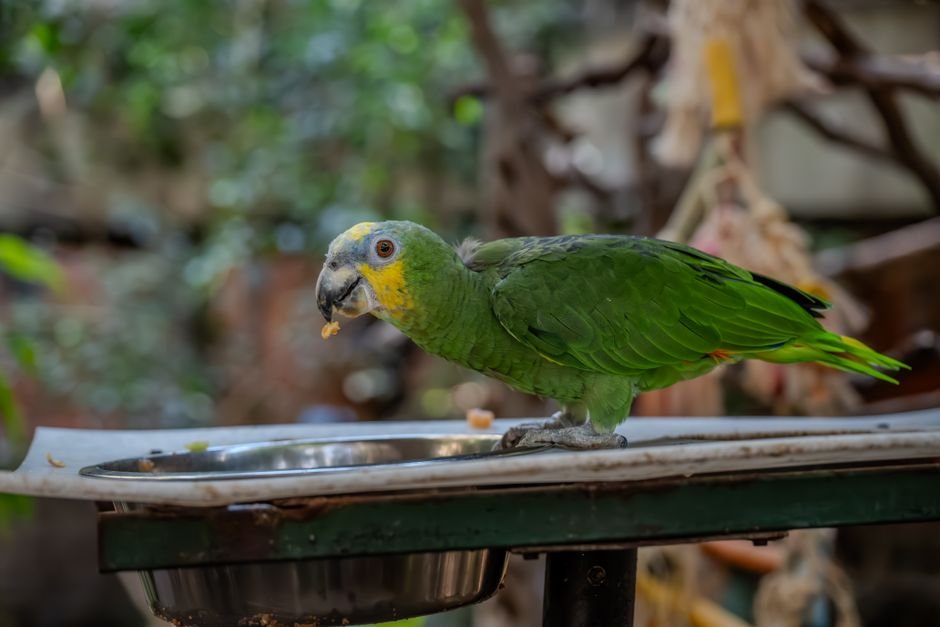
Before we look at the feeding schedule, it’s crucial to understand your parrot’s dietary needs. Parrots are omnivores, which means they require a mix of proteins, carbohydrates, and fats. A good quality parrot food should include a balanced mix of these nutrients. I’ve found that a high-quality pellet like Harrison’s Bird Foods is an excellent choice for my parrot.
In my experience, many parrot owners make the mistake of overfeeding their birds. This can lead to obesity and other health problems. It’s essential to monitor your parrot’s weight and adjust their food intake accordingly. For example, if you’ve an African Grey parrot, you’ll need to provide them with a diet rich in calcium to support their strong bones.
Here are some key nutrients that your parrot needs:
- Protein: 15-20% of their daily diet
- Carbohydrates: 40-50% of their daily diet
- Fats: 10-15% of their daily diet
How Often to Feed Your Parrot: A General Guide
The frequency of feeding your parrot depends on their age, size, and species. As a general rule, you should feed your parrot 2-3 times a day. However, this may vary depending on your parrot’s individual needs. For example, young parrots may require more frequent feeding than adult parrots.
Honestly, I used to make the mistake of feeding my parrot too much. But once I started monitoring their food intake, I noticed a significant improvement in their health. Now, I feed my parrot twice a day, and they seem to thrive on this schedule.
Feeding Frequency for Different Parrot Species
Different parrot species have different feeding requirements. For example, Cockatiels require more frequent feeding than Amazon parrots. Here’s a rough guide to feeding frequency for different parrot species:
- Cockatiels: 3-4 times a day
- Amazon parrots: 2-3 times a day
- African Greys: 2 times a day
The Importance of Fresh Fruits and Vegetables
Fresh fruits and vegetables are essential for your parrot’s health. They provide vital nutrients, fiber, and antioxidants that can help boost your parrot’s immune system. Some good options include apples, carrots, and sweet potatoes.
In my experience, parrots love variety in their diet. So, it’s essential to rotate their fruits and vegetables regularly. For example, you can try feeding your parrot a mix of apples, bananas, and oranges one day, and then switch to a mix of carrots, broccoli, and sweet potatoes the next day.
Pellets vs. Seeds: Choosing the Right Food for Your Parrot
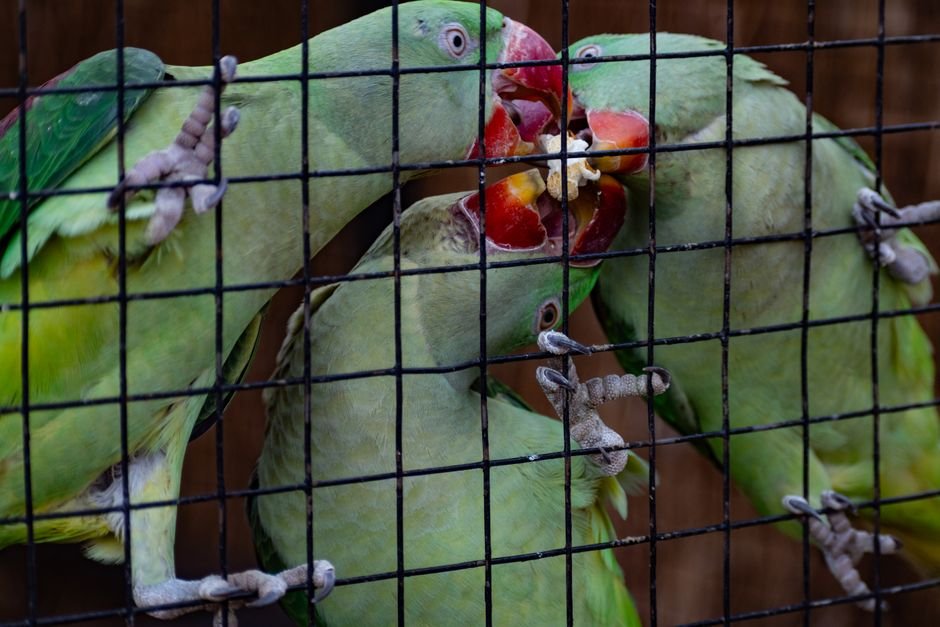
Pellets and seeds are two popular food options for parrots. Pellets are a nutritionally balanced food that provides all the necessary nutrients for your parrot. Seeds, on the other hand, are high in fat and low in essential nutrients. While seeds can be a healthy treat, they shouldn’t be the main staple of your parrot’s diet.
Honestly, I’ve found that pellets are a more convenient and healthy option for my parrot. They’re easy to store, and I can be sure that my parrot is getting all the necessary nutrients. However, some parrot owners swear by seeds, so it’s essential to do your research and choose the best option for your parrot.
Creating a Feeding Schedule for Your Parrot
Creating a feeding schedule for your parrot can help ensure that they’re getting the right amount of food at the right time. Here’s a sample feeding schedule for a parrot:
8:00 am: Breakfast (pellets and fresh fruits)
12:00 pm: Lunch (pellets and vegetables)
4:00 pm: Snack (fresh fruits and treats)
8:00 pm: Dinner (pellets and vegetables)
Common Mistakes to Avoid When Feeding Your Parrot
There are several common mistakes that parrot owners make when feeding their birds. Here are a few mistakes to avoid:
- Overfeeding: This can lead to obesity and other health problems.
- Underfeeding: This can lead to malnutrition and stunted growth.
- Feeding the wrong foods: Avoid feeding your parrot foods that are high in fat, salt, and sugar.
Monitoring Your Parrot’s Health and Adjusting Their Diet
Monitoring your parrot’s health is essential to ensure that they’re thriving on their current diet. Here are a few signs to look out for:
- Weight loss or gain
- Changes in appetite
- Changes in stool or urine output
If you notice any of these signs, it’s essential to adjust your parrot’s diet accordingly. You may need to increase or decrease their food intake, or switch to a different type of food.
Honestly, feeding your parrot is a crucial part of their care. By understanding their dietary needs, creating a feeding schedule, and monitoring their health, you can help ensure that your parrot lives a long and healthy life. So, what’s the one thing you should do next? Start by assessing your parrot’s current diet and making any necessary adjustments to ensure they’re getting the nutrients they need.
Related Reading
- What is the behavior of a parrot when it spreads its wings and…
- How Long Do Parrots Live? Average Lifespan by Species: Parrot …
- Why Do Parrots Live So Long? The Science Behind Their Longevit…
In short, How often should I feed my parrot? rewards a careful, informed approach. Use this How often should I feed my parrot? guide as a starting framework, adapt it to your situation, and re-check the facts whenever the topic moves.