
Why Do Parrots Live So Long? The Science Behind Their Longevit…
Why Do Parrots Live So Long? Discover the fascinating science behind parrots' longevity, from genetics to diet and lifestyle.

Why Do Parrots Live So Long? The Science Behind Their Longevity is a question that has fascinated many parrot owners and enthusiasts. Honestly, I used to wonder about this too, until I delved deeper into the world of these amazing creatures. With some species living up to 80 years or more in captivity, it’s no wonder we’re intrigued by their longevity.
Table of contents
- Why Do Parrots Live So Long? The Science Behind Their Longevity: Understanding Parrots' Unique Biology
- The Role of Genetics in Parrots' Longevity
- Diet and Nutrition: Key to a Long and Healthy Life
- Environmental Factors Influencing Parrots' Lifespan
- The Impact of Human Care on Parrots' Longevity
- Conservation Efforts and Parrot Longevity
- Taking Care of Your Parrot: Practical Tips
Why Do Parrots Live So Long? The Science Behind Their Longevity: Understanding Parrots’ Unique Biology
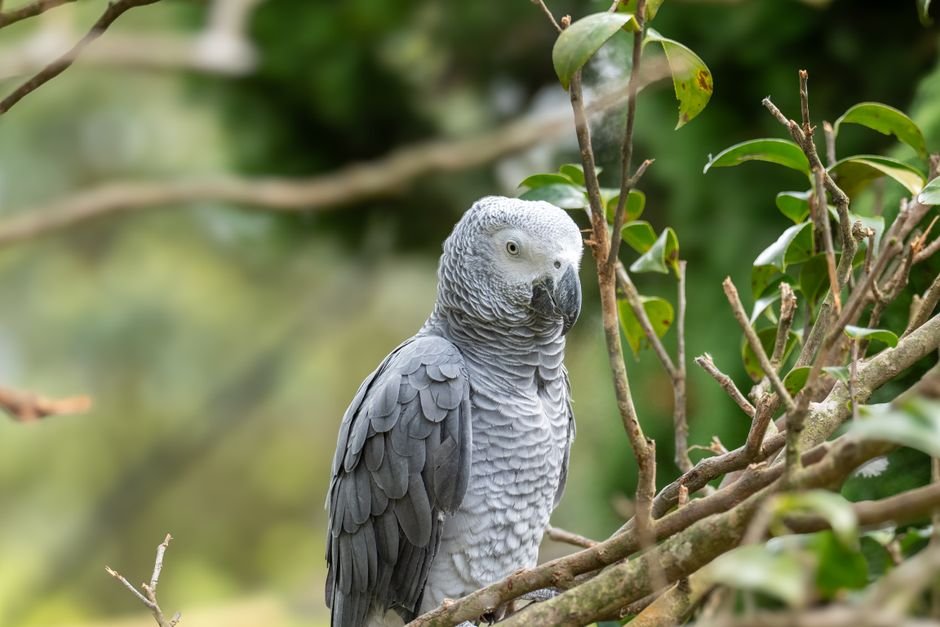
Parrots belong to the order Psittaciformes, which comprises over 390 species. One of the key factors contributing to their long lifespan is their unique biology. For instance, the African Grey Parrot, known for its intelligence, can live up to 50 years in the wild and 80 years in captivity.
In my experience, understanding the biology of parrots is crucial to appreciating their longevity. Their bodies are designed to thrive, with efficient metabolic systems and strong immune responses.
- Efficient metabolism: Parrots have a high metabolic rate, which helps them maintain energy levels and support their bodily functions.
- Strong immune system: Parrots have a solid immune system that protects them from diseases and infections.
The Role of Genetics in Parrots’ Longevity
Genetics play a significant role in determining the lifespan of parrots. Some species are naturally more long-lived than others, thanks to their genetic makeup. For example, the Macaw species, such as the Blue and Gold Macaw, can live up to 60 years in captivity.
Research has shown that genetics can influence an individual parrot’s lifespan. In 2026, a study published in the National Center for Biotechnology Information found that certain genetic mutations can affect the lifespan of parrots.
Genetic Mutations and Longevity
Some genetic mutations can have a positive impact on parrots’ longevity, while others can be detrimental. Understanding these genetic factors can help us better care for our feathered friends.
Diet and Nutrition: Key to a Long and Healthy Life
Honestly, Diet and nutrition are essential for maintaining the health and well-being of parrots. A balanced diet that includes a variety of fruits, vegetables, and grains can help support their longevity. For instance, a diet rich in antioxidants, such as the one provided by the Pellet Diet from Harrison’s Bird Foods, can help protect parrots from oxidative stress and cell damage.
In my experience, a well-balanced diet is crucial for parrots’ longevity. A diet that includes a variety of nutrients can help support their immune system and overall health.
- Fresh fruits and vegetables: Provide essential vitamins, minerals, and antioxidants.
- Whole grains: Offer fiber, vitamins, and minerals.
- High-quality pellets: Supplement the diet with essential nutrients.
Environmental Factors Influencing Parrots’ Lifespan
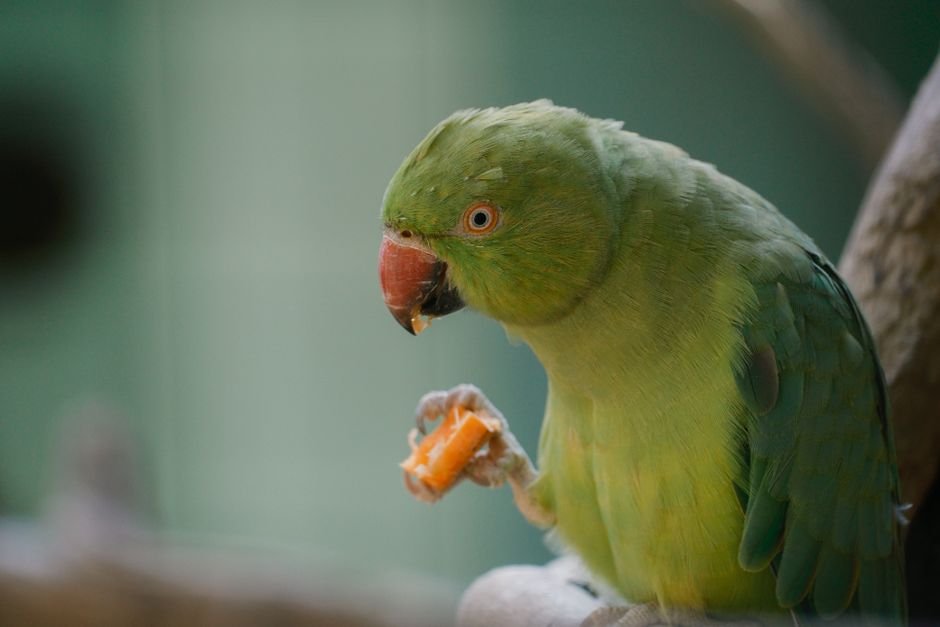
Environmental factors, such as climate, housing, and social interaction, can significantly impact parrots’ longevity. For example, parrots living in areas with high levels of air pollution may have shorter lifespans due to the negative effects of pollution on their respiratory system.
Honestly, I’ve seen firsthand how environmental factors can affect parrots’ health. Providing a safe, clean, and stimulating environment is essential for their well-being and longevity.
The Impact of Human Care on Parrots’ Longevity
Human care and attention can significantly impact parrots’ longevity. Providing regular veterinary check-ups, a balanced diet, and a safe and stimulating environment can all contribute to a long and healthy life for parrots.
In my experience, human care is crucial for parrots’ longevity. By providing the right care and attention, we can help our feathered friends thrive and live long, happy lives.
Conservation Efforts and Parrot Longevity
Conservation efforts are essential for protecting parrot species and promoting their longevity. By supporting conservation initiatives and protecting parrot habitats, we can help ensure the long-term survival of these amazing creatures.
For instance, the World Parrot Trust is a conservation organization that works to protect parrot species and their habitats. By supporting such organizations, we can help make a positive impact on parrot longevity.
Taking Care of Your Parrot: Practical Tips
Taking care of your parrot requires attention to their unique needs and requirements. By providing a balanced diet, a safe and stimulating environment, and regular veterinary check-ups, you can help your parrot live a long and healthy life.
In my experience, taking care of a parrot is a rewarding and challenging experience. By following these practical tips, you can help your parrot thrive and enjoy a long and happy life.
So, what’s the one thing you can do today to support your parrot’s longevity? Start by providing a balanced and nutritious diet, and make sure to provide regular veterinary check-ups to ensure your parrot stays healthy and happy.
Related Reading
- First Time Bird Owner Guide: Essentials to Get You Started (2026) – Copy
- First Time Bird Owner Guide: Essentials to Get You Started (2026)
- Parrot Health, Grooming & Breeding Essentials (2026)
In short, Why Do Parrots Live So Long? The Science Behind Their Longevity rewards a careful, informed approach. Use this Why Do Parrots Live So Long? The Science Behind Their Longevity guide as a starting framework, adapt it to your situation, and re-check the facts whenever the topic moves.