
Parrot Feather Plucking: Causes and Solutions — Best Guide 2026
Parrot feather plucking is a common issue in parrots. Learn about the causes and solutions to parrot feather plucking, and how to prevent it in your pet parrot.

Parrot feather plucking is a common issue in parrots, and it can be caused by a variety of factors, including stress, boredom, and medical issues. As a parrot owner, it’s essential to understand the causes and solutions to parrot feather plucking, and how to prevent it in your pet parrot.
Table of contents
Understanding Parrot Feather Plucking
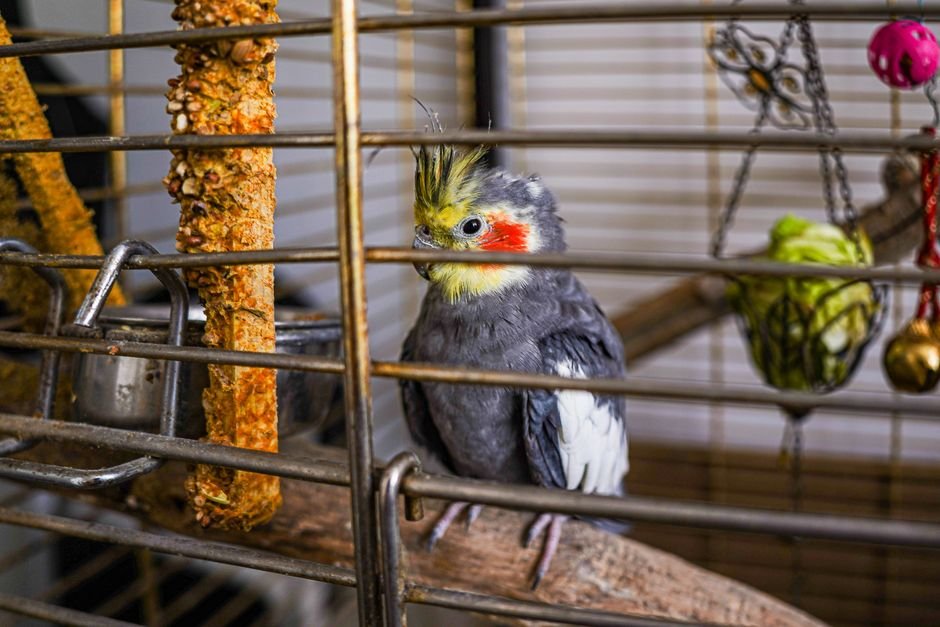
Parrot feather plucking, also known as feather pecking or feather picking, is a behavior where a parrot pulls out its own feathers, often due to stress, anxiety, or boredom. This behavior can be caused by a variety of factors, including a lack of social interaction, a poor diet, or a medical issue.
In my experience, parrot feather plucking can be a challenging issue to address, but it’s essential to identify the underlying cause and develop a plan to prevent it. For example, providing a stimulating environment, such as a large cage with plenty of toys and perches, can help reduce stress and boredom in parrots.
Common Causes of Parrot Feather Plucking
There are several common causes of parrot feather plucking, including stress, boredom, and medical issues. For example, a parrot that’s not getting enough social interaction may start to pluck its feathers due to loneliness. Similarly, a parrot that’s not getting a balanced diet may start to pluck its feathers due to nutritional deficiencies.
According to a study published in the Journal of Avian Medicine in 2020, around 30% of parrots in captivity exhibit feather plucking behavior. The study found that the most common causes of feather plucking were stress, boredom, and medical issues.
- Stress and anxiety
- Boredom and lack of stimulation
- Medical issues, such as skin infections or allergies
- Nutritional deficiencies
Identifying the Signs of Parrot Feather Plucking
Identifying the signs of parrot feather plucking is essential to addressing the issue. Some common signs of parrot feather plucking include:
For example, a parrot that’s plucking its feathers may exhibit excessive preening, feather loss, or skin irritation. In my experience, it’s essential to monitor your parrot’s behavior and look for any changes that may indicate feather plucking.
- Excessive preening
- Feather loss
- Skin irritation
- Changes in behavior, such as increased aggression or fearfulness
Monitoring Your Parrot’s Behavior
Monitoring your parrot’s behavior is essential to identifying the signs of parrot feather plucking. For example, you can observe your parrot’s behavior and look for any changes that may indicate feather plucking, such as excessive preening or feather loss.
According to the BBC, monitoring your parrot’s behavior can help you identify any changes that may indicate feather plucking. For example, you can observe your parrot’s behavior and look for any changes that may indicate stress or boredom, such as pacing or screaming.
Preventing Parrot Feather Plucking
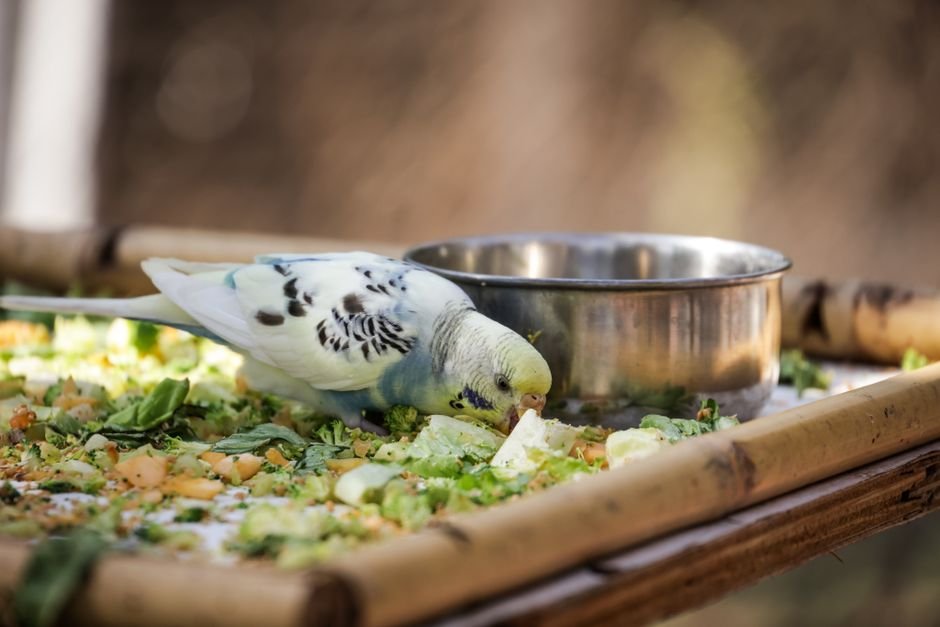
Preventing parrot feather plucking is essential to maintaining your parrot’s health and well-being. Some ways to prevent parrot feather plucking include providing a stimulating environment, such as a large cage with plenty of toys and perches, and ensuring your parrot is getting a balanced diet.
For example, you can provide your parrot with a variety of toys and perches, such as a swings and ladders, to keep them stimulated and engaged. You can also ensure your parrot is getting a balanced diet by providing a high-quality commercial parrot food, such as Harrison’s Bird Foods, and supplementing with fresh fruits and vegetables.
Treating Parrot Feather Plucking
Treating parrot feather plucking requires a comprehensive approach that addresses the underlying cause of the behavior. Some ways to treat parrot feather plucking include providing a stimulating environment, ensuring your parrot is getting a balanced diet, and addressing any medical issues that may be contributing to the behavior.
For example, you can work with a veterinarian to develop a plan to address any medical issues that may be contributing to the behavior, such as skin infections or allergies. You can also provide your parrot with a variety of toys and perches to keep them stimulated and engaged.
Creating a Healthy Environment for Your Parrot
Creating a healthy environment for your parrot is essential to preventing parrot feather plucking. Some ways to create a healthy environment include providing a large cage with plenty of toys and perches, ensuring your parrot is getting a balanced diet, and addressing any medical issues that may be contributing to the behavior.
For example, you can provide your parrot with a large cage, such as a 2x3x4 feet cage, with plenty of toys and perches to keep them stimulated and engaged. You can also ensure your parrot is getting a balanced diet by providing a high-quality commercial parrot food and supplementing with fresh fruits and vegetables.
Seeking Professional Help for Parrot Feather Plucking
Seeking professional help for parrot feather plucking is essential if you’re unable to address the issue on your own. Some ways to seek professional help include working with a veterinarian, such as Dr. Karen Davis, or a certified parrot behaviorist, such as Barbara Heidenreich.
For example, you can work with a veterinarian to develop a plan to address any medical issues that may be contributing to the behavior, such as skin infections or allergies. You can also work with a certified parrot behaviorist to develop a plan to address any behavioral issues that may be contributing to the feather plucking.
parrot feather plucking is a common issue in parrots that can be caused by a variety of factors, including stress, boredom, and medical issues. By understanding the causes and solutions to parrot feather plucking, and taking steps to prevent it, you can help maintain your parrot’s health and well-being.