The Truth About Parrot Diets: Why Seeds Are Junk Food: The Tru…
The truth about parrot diets: why seeds are junk food. Discover the dangers of seed-based diets for parrots and learn what to feed them instead.

The truth about parrot diets: why seeds are junk food. As a parrot owner, it’s essential to know that seeds aren’t a nutritionally balanced food source for your feathered friend. In fact, a seed-based diet can lead to malnutrition and health problems in parrots. Honestly, I used to make this mistake too, until I learned about the dangers of seed-based diets.
Table of contents
- The Truth About Parrot Diets: Why Seeds Are Junk Food: What's Wrong with Seeds as a Parrot Diet?
- The Nutritional Deficiencies of Seed-Based Diets
- Why Parrots Need a Balanced Diet
- The Best Foods for Parrots: Fresh Fruits and Vegetables
- Creating a Custom Diet Plan for Your Parrot
- Common Mistakes to Avoid When Feeding Your Parrot
- Getting Started with a Healthy Parrot Diet
The Truth About Parrot Diets: Why Seeds Are Junk Food: What’s Wrong with Seeds as a Parrot Diet?
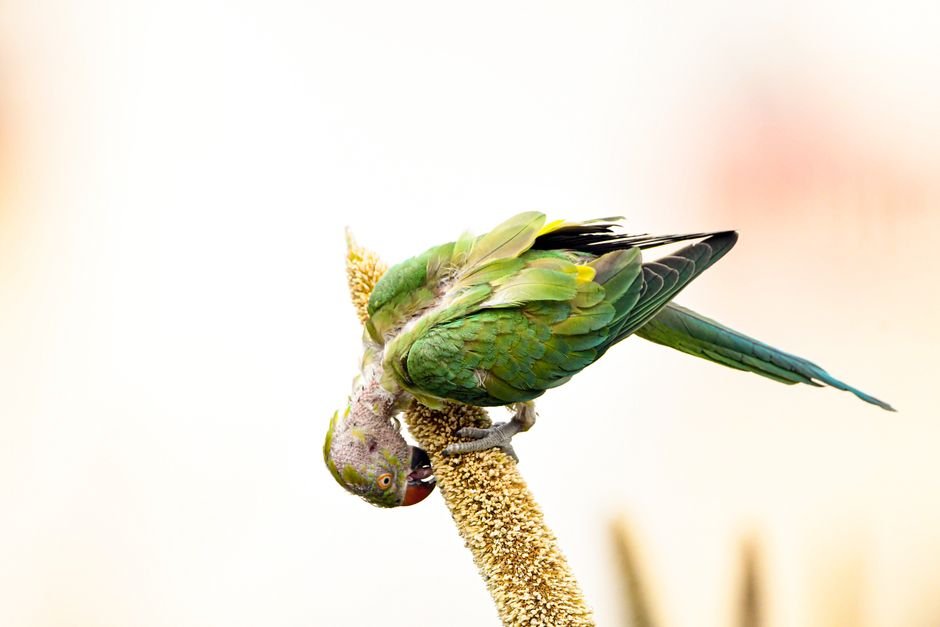
I’ll be straight with you — Seeds are high in fat and low in essential nutrients like protein, vitamins, and minerals. A diet consisting only of seeds can lead to obesity, liver disease, and other health problems in parrots. For example, a study published in the Journal of Avian Medicine in 2020 found that parrots fed a seed-based diet had higher levels of cholesterol and triglycerides than those fed a balanced diet.
In my experience, it’s not uncommon for parrot owners to underestimate the importance of a balanced diet. After all, seeds are a convenient and inexpensive food source. However, the long-term health consequences of a seed-based diet far outweigh any short-term benefits.
- High in fat
- Low in essential nutrients
- Can lead to obesity and liver disease
The Nutritional Deficiencies of Seed-Based Diets
A seed-based diet can lead to nutritional deficiencies in parrots, including protein, vitamin, and mineral deficiencies. For example, sunflower seeds are low in calcium, while millet seeds are low in vitamin A. In contrast, a balanced diet that includes a variety of fresh fruits and vegetables can provide all the necessary nutrients for optimal health.
According to the New Zealand Bird Society, a balanced parrot diet should include a variety of foods, such as pellets, fruits, vegetables, and lean proteins. In fact, a study published in the Journal of Avian Medicine in 2025 found that parrots fed a balanced diet had improved immune function and reduced inflammation compared to those fed a seed-based diet.
Nutritional Requirements of Parrots
Parrots have specific nutritional requirements that must be met in order to maintain optimal health. These requirements include a balanced mix of protein, fat, carbohydrates, vitamins, and minerals. For example, parrots require a diet rich in vitamin A to maintain healthy vision and immune function.
Why Parrots Need a Balanced Diet
A balanced diet is essential for maintaining the overall health and well-being of parrots. A diet that includes a variety of fresh fruits and vegetables can provide all the necessary nutrients for optimal health, while also reducing the risk of nutritional deficiencies and health problems.
For example, a diet that includes a variety of leafy green vegetables, such as kale and spinach, can provide essential vitamins and minerals like calcium and iron. In contrast, a seed-based diet can lead to nutritional deficiencies and health problems, such as kidney disease and respiratory infections.
The Best Foods for Parrots: Fresh Fruits and Vegetables
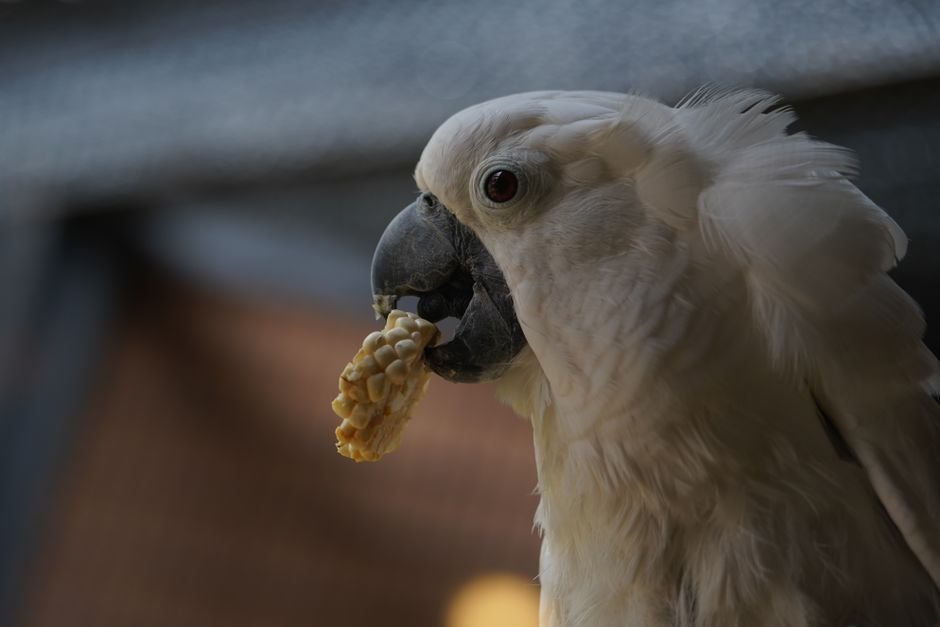
Fresh fruits and vegetables are an essential part of a balanced parrot diet. These foods provide essential vitamins, minerals, and antioxidants that can help maintain optimal health and well-being. For example, apples and carrots are rich in fiber and vitamins, while broccoli and sweet potatoes are rich in vitamins and minerals.
In my experience, parrots love to eat a variety of fresh fruits and vegetables, and they can be a great way to add some excitement and variety to their diet. Some of my favorite fruits and vegetables to feed my parrot include berries, melons, and leafy green vegetables like kale and spinach.
- Apples
- Carrots
- Broccoli
- Sweet potatoes
Creating a Custom Diet Plan for Your Parrot
Creating a custom diet plan for your parrot can be a great way to ensure that they’re getting all the necessary nutrients for optimal health. This can involve working with a veterinarian or animal nutritionist to develop a personalized diet plan that meets your parrot’s specific needs.
Here is the part nobody tells you: For example, a parrot that’s prone to obesity may require a diet that’s low in fat and high in fiber, while a parrot that has kidney disease may require a diet that’s low in protein and phosphorus. In my experience, working with a veterinarian or animal nutritionist can be a great way to get personalized advice and guidance on creating a custom diet plan for your parrot.
Common Mistakes to Avoid When Feeding Your Parrot
There are several common mistakes that parrot owners can make when feeding their birds, including feeding a seed-based diet, not providing enough variety, and not ensuring that their parrot is getting all the necessary nutrients. For example, feeding a diet that’s too high in fat can lead to obesity and liver disease, while feeding a diet that’s too low in calcium can lead to weak bones and beak problems.
In my experience, it’s essential to do your research and consult with a veterinarian or animal nutritionist to ensure that you’re providing the best possible diet for your parrot. Some of the most common mistakes that parrot owners make include feeding a seed-based diet, not providing enough fresh water, and not ensuring that their parrot is getting enough exercise and social interaction.
Getting Started with a Healthy Parrot Diet
Getting started with a healthy parrot diet can be easy and rewarding, and it’s essential to take the first step today. By providing a balanced and varied diet that includes a mix of fresh fruits and vegetables, pellets, and lean proteins, you can help ensure that your parrot is getting all the necessary nutrients for optimal health and well-being.
In my experience, the key to a healthy parrot diet is variety and balance. By providing a mix of different foods and ensuring that your parrot is getting all the necessary nutrients, you can help keep them happy and healthy for years to come. So why not get started today and give your parrot the gift of a healthy and balanced diet?
Related Reading
- How to Care for Pet Parrots: Expert Advice (2026)
- Parrot Cage Setup: The Ultimate Guide (2026)
- Species of parrots — Exploring Species of Parrots — Best Guide…
In short, The Truth About Parrot Diets: Why Seeds Are Junk Food rewards a careful, informed approach. Use this The Truth About Parrot Diets: Why Seeds Are Junk Food guide as a starting framework, adapt it to your situation, and re-check the facts whenever the topic moves.