How to Care for Pet Parrots: Expert Advice (2026)
Learn how to care for pet parrots with our expert guide, covering diet, habitat, and health. Discover the best ways to keep your parrot happy and healthy.

How to care for pet parrots is a question many bird enthusiasts ask, and the answer involves understanding your parrot’s specific needs. Honestly, I used to make the mistake of thinking all parrots were the same, but each species has its unique requirements. For instance, African Greys need a lot of social interaction, while Cockatiels require a balanced diet that includes pellets, fruits, and vegetables.
Table of contents
How to care for pet parrots: Understanding Your Parrot’s Needs
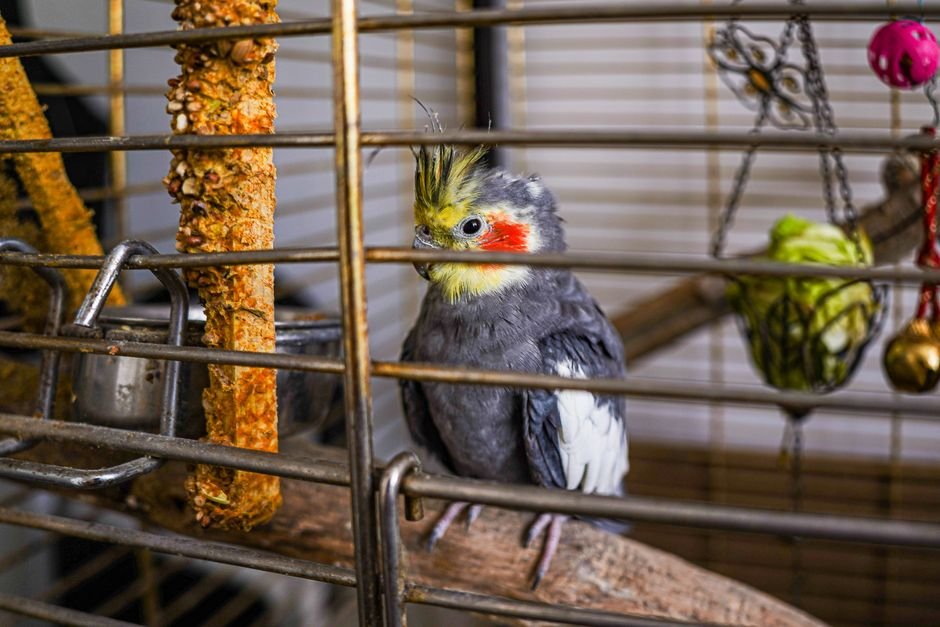
To properly care for your pet parrot, you need to understand its behavioral, nutritional, and environmental needs. This includes recognizing the signs of stress, illness, or boredom. In my experience, a parrot that’s not getting enough attention or exercise can become loud and destructive.
A good starting point is to research your parrot’s species-specific needs. For example, the BirdLife International website provides valuable information on various bird species, including parrots.
Creating a Safe and Comfortable Environment
Creating a safe and comfortable environment for your pet parrot is crucial. This involves setting up a spacious cage or aviary that’s well-ventilated and equipped with perches, toys, and a balanced temperature. I’ve found that a room temperature between 65-75°F (18-24°C) is ideal for most parrot species.
Some essential items for your parrot’s environment include a high-quality cage, such as the A&E Cage Company aviary, which provides ample space for flying and exercising. You’ll also need to invest in a good air purifier, like the Levoit LV-PUR131, to maintain clean air quality.
Setting Up the Perfect Cage
When setting up your parrot’s cage, consider the bar spacing, cage size, and the type of bedding. A good rule of thumb is to choose a cage with bar spacing that’s appropriate for your parrot’s size to prevent escape or injury.
Nutrition and Diet for Pet Parrots
A balanced diet is vital for your parrot’s health and well-being. This includes providing a variety of fruits, vegetables, pellets, and treats. Around 60% of your parrot’s diet should consist of high-quality pellets, such as Harrison’s Bird Foods.
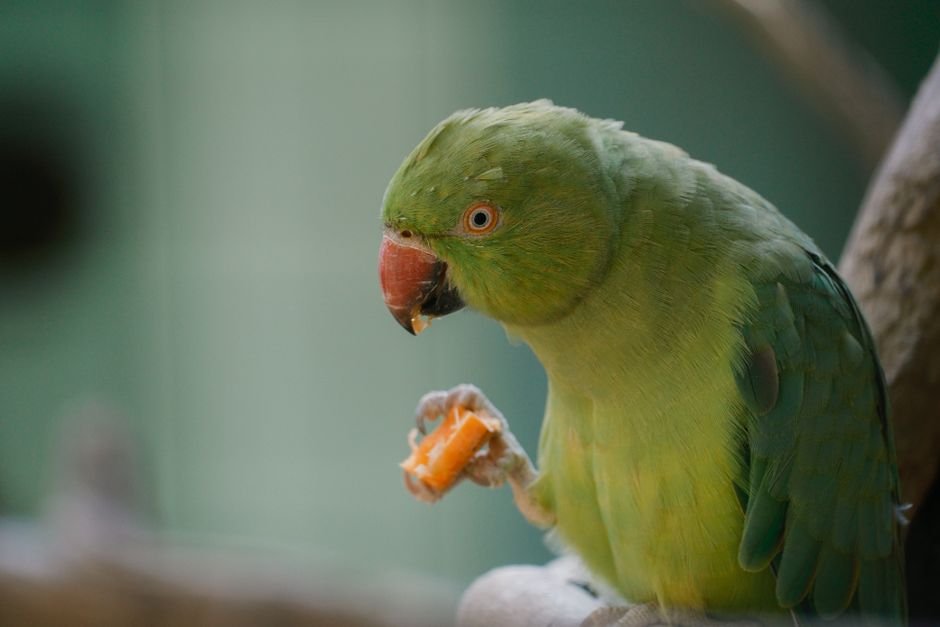
In my experience, a parrot that’s fed a nutritious diet is more likely to be healthy and active. Fresh fruits and vegetables, like carrots, apples, and leafy greens, should be introduced daily to provide essential vitamins and minerals.
Health Checks and Veterinary Care
Regular health checks are crucial for maintaining your parrot’s health. This involves scheduling annual check-ups with a qualified avian veterinarian and monitoring your parrot’s behavior and physical condition.
A good veterinarian, like Dr. Karen Davis from the Avian Medical Center, can provide valuable advice on parrot care and detect any potential health issues early on.
Common Mistakes to Avoid in Parrot Care
There are several common mistakes to avoid when caring for your pet parrot. These include:
- Not providing enough social interaction, which can lead to behavioral problems.
- Feeding a poor-quality diet that lacks essential nutrients.
- Not keeping the cage clean, which can lead to health issues.
- Not providing enough exercise and mental stimulation.
- Not recognizing the signs of illness or stress.
Socialization and Training for Pet Parrots
Socialization and training are essential for your parrot’s emotional and behavioral well-being. This involves spending quality time with your parrot, teaching it tricks, and providing mental stimulation.
In my experience, a parrot that’s well-socialized and trained is more likely to be confident and friendly. You can use positive reinforcement techniques, like offering treats and praise, to encourage good behavior.
Long-Term Commitment to Parrot Care
Caring for a pet parrot is a long-term commitment that requires dedication, patience, and love. With the right care and attention, your parrot can live a happy and healthy life, bringing joy and companionship to your family.
So, what’s the next step? Start by researching different parrot species, their needs, and the costs involved in caring for them. You can also consult with a qualified avian veterinarian or a reputable breeder to find the perfect parrot for you.
Related Reading
- Facts About Parrots: Uncovering Their Secret Lives — Best Guid…
- Types of Parrots: A Guide to Colorful Companions — Best Guide …
- Pictures of Parrots: A Vibrant World — Best Guide 2026
In short, how to care for pet parrots rewards a careful, informed approach. Use this how to care for pet parrots guide as a starting framework, adapt it to your situation, and re-check the facts whenever the topic moves.